#StinkBugOutbreak #EuschistusSpp #IntegratedPestManagement #SustainableAgriculture #FoodSecurity
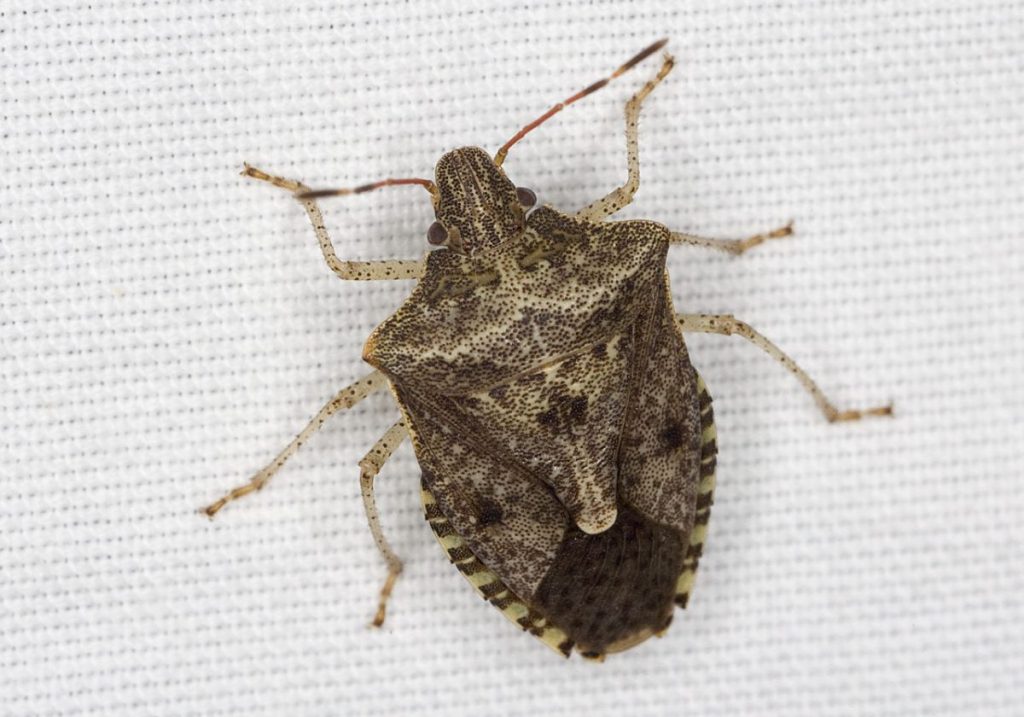
Stink bugs, scientifically known as Euschistus spp., are a notorious pest that can cause significant damage to crops and plants. These insects are found in different parts of the world and are known for their characteristic foul odor. In recent years, stink bug populations have increased dramatically, causing widespread damage to crops and posing a significant threat to agricultural productivity.
The development of stink bug populations can be attributed to several factors, including climate change, increased international trade, and the widespread use of pesticides. Stink bugs are known for their ability to adapt to various environments, making them a challenging pest to manage. As their populations continue to grow, stink bugs are becoming an increasingly significant threat to global food security.
Weekdays. Unsubscribe in one click.
To address the stink bug outbreak, farmers and agricultural researchers have been developing various management strategies. These include the use of insecticides, crop rotation, habitat modification, and biological control methods. Integrated Pest Management (IPM) practices are becoming more popular as a sustainable approach to stink bug management.
The consequences of a stink bug infestation can be severe, leading to substantial economic losses for farmers and reduced food availability for consumers. The development of sustainable stink bug management strategies is, therefore, critical to maintain agricultural productivity and ensure food security.
In conclusion, the increasing prevalence of stink bugs is a significant threat to global food security. The development of sustainable stink bug management strategies is essential to minimize the damage caused by these pests. The use of IPM practices and the promotion of sustainable agriculture can help ensure the long-term management of stink bug populations.